When Recklessness Kills: Why Illinois Must Rethink DUI Justice
A car can kill just as easily as a gun. So why does Illinois punish them differently?

My daughter Katie Abraham should still be alive.
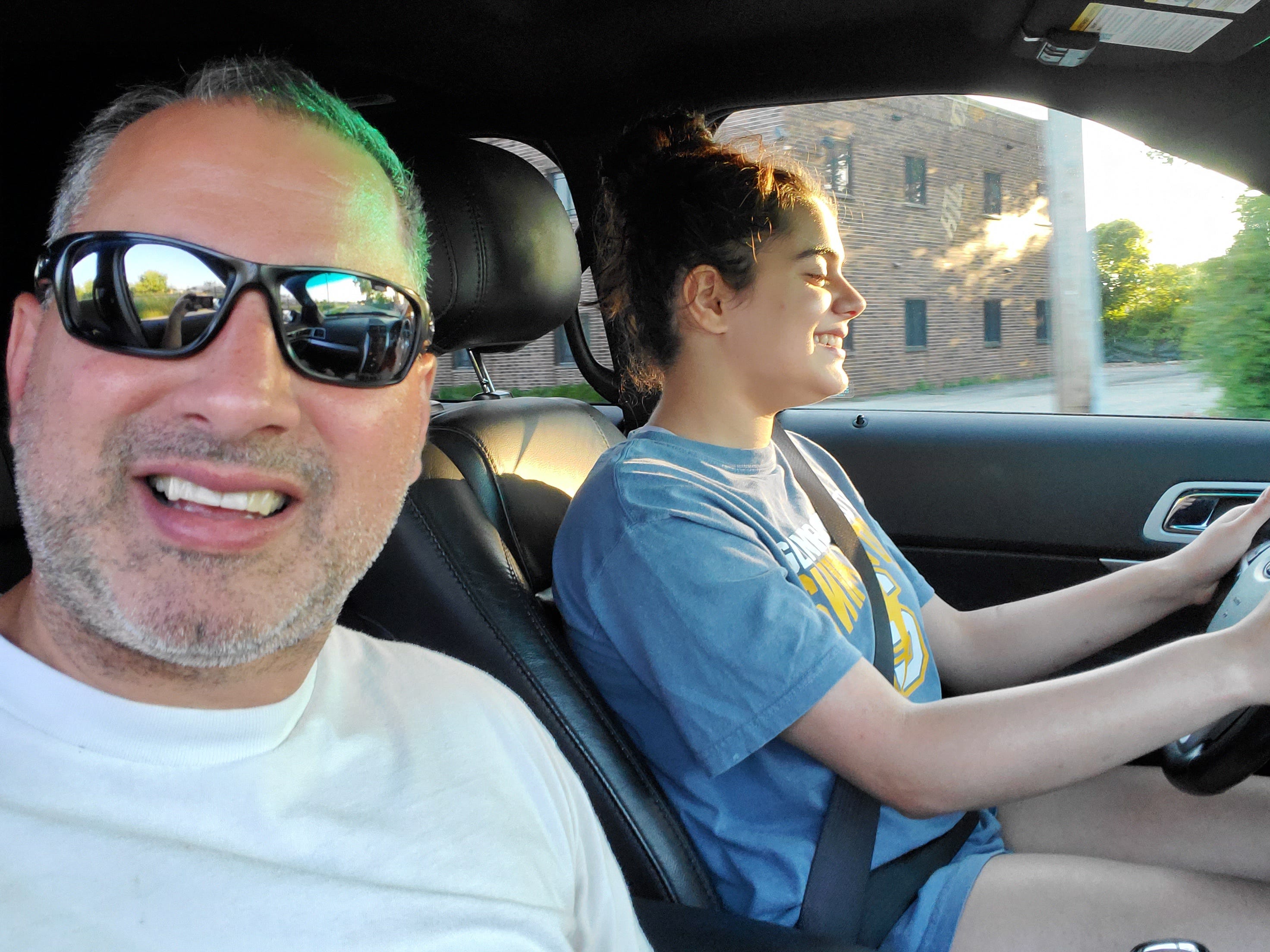
Instead, she was killed by an intoxicated driver in Illinois. Two people died. Three others were injured. Families were destroyed forever. And the man responsible received what the legal system considers justice: a 30-year plea deal, with roughly 85% served.
Do the math. That is effectively about ten years per life taken.
Illinois law treats this as a DUI case. But increasingly, many Americans see something else entirely: a conscious act of extreme recklessness that society continues to minimize because it involves a vehicle instead of a weapon.
Here is the uncomfortable question our lawmakers avoid:
If an intoxicated man walked into a crowded street, pulled out a pistol, closed his eyes, and randomly fired shots into a crowd, would anyone describe the deaths that followed as merely a “tragic accident”?
Of course not.
We would say he knowingly engaged in deadly conduct with complete disregard for human life. Even if he claimed he did not intend to kill anyone, society would still recognize the act itself as so inherently dangerous that severe punishment was justified.
Now compare that to drunk driving.
An intoxicated person knowingly gets behind the wheel of a 4,000-pound vehicle. They understand their reaction time is impaired. They know their judgment is compromised. They know innocent people are sharing the roads with them. They know the statistics. They know the warnings. They know people die this way every single day.
And yet we still treat many DUI deaths as though they exist in a lesser moral category.
Why?
Because the weapon was a car instead of a firearm?
Because driving is socially accepted while randomly firing a gun is not?
Because we are more comfortable calling these deaths “mistakes” than admitting they are often the predictable outcome of deliberate choices?
In today’s world, ignorance is no longer a defense. Not just in America, but around the world, people understand the danger of drunk driving. Decades of public awareness campaigns, education, media coverage, and personal tragedy have made the consequences unmistakably clear. Everyone knows impaired driving can kill innocent people.
Even Katie’s killer knew it was wrong.
Choosing to drive intoxicated today is not an unforeseeable lapse in judgment. It is knowingly engaging in conduct that can easily take human life. That does not mean every drunk driver intends murder. But neither does the intoxicated man randomly firing a pistol into a crowd necessarily intend to kill a specific person. In both situations, the individual knowingly creates a deadly risk and leaves innocent lives to chance.
Katie’s killer was not simply someone who made one isolated bad decision on one isolated night. He was an illegal immigrant with a deeply troubling background and significant health issues — warning signs that should have raised serious scrutiny long before my daughter lost her life.
That is another burden our family carries every day: knowing this tragedy was not just preventable, but foreseeable.
Illinois failed to vet. Failed to enforce. Failed to audit. Failed to prioritize the safety of its own citizens. And when the predictable consequences arrived, the system once again defaulted to mitigation, negotiation, and reduced accountability.
Families like mine are then told to quietly accept outcomes that would never be tolerated in other contexts involving such catastrophic loss of life.
Katie’s life should not be measured against outdated legal categories that fail to reflect modern reality.
Nor should Illinois continue shielding broader accountability through limited sentencing structures and capped civil liability under the Dram Shop Act. When bars over serve intoxicated patrons who later destroy lives, the financial consequences are often artificially limited regardless of the devastation inflicted on victims and families.
The result is a system where permanent loss collides with negotiated accountability.
Meanwhile, families are left visiting cemeteries.
My daughter is gone forever. No plea agreement changes that. No sentencing chart restores what was taken from us.
But Illinois lawmakers should at least have the courage to confront a basic truth:
If society recognizes that knowingly firing a gun into a crowd demonstrates extreme indifference to human life, then knowingly driving intoxicated despite overwhelming public awareness of the risks deserves to be viewed through the same moral lens.
Katie deserved better than a system that still struggles to distinguish between an accident and a knowingly deadly choice.